
Introduction: The Shock of a Single Finger Bone
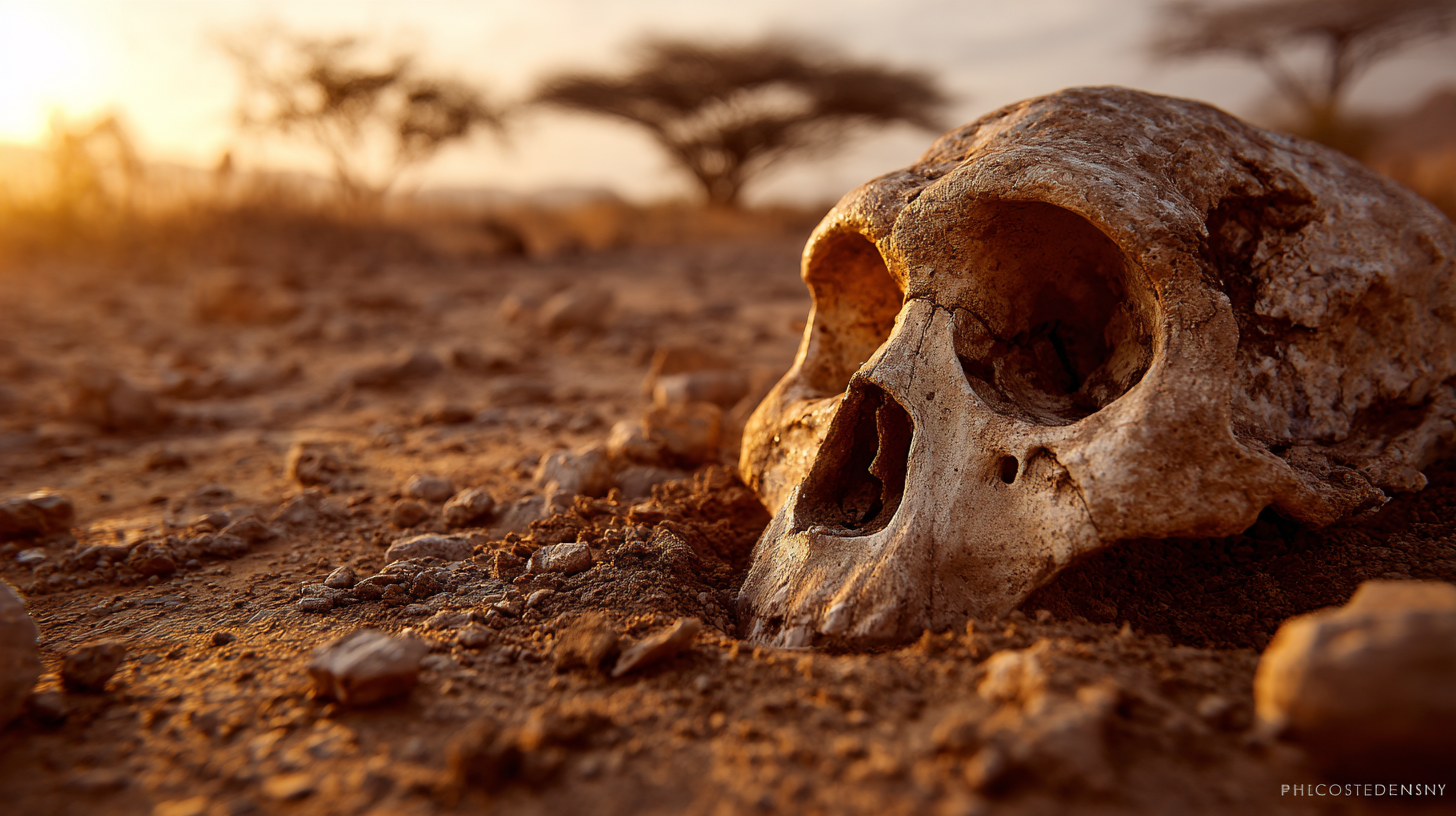
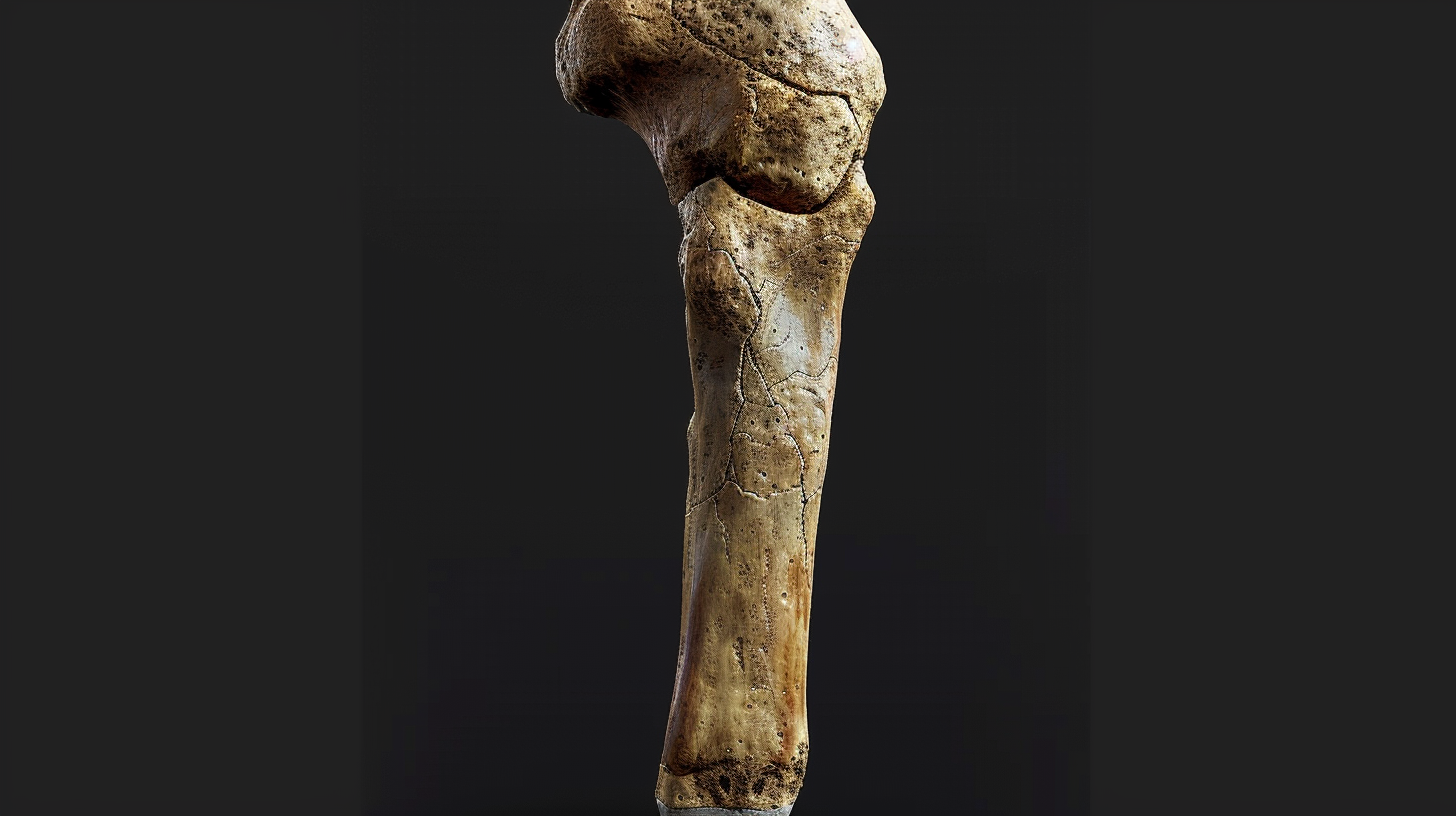
In 2008, a tiny fragment of a finger bone was discovered in Denisova Cave in the Altai Mountains of Siberia1. At the time, no one knew this would rewrite the history of human evolution. In 2010, Dr. Svante Pääbo’s team analyzed the DNA extracted from this bone and revealed that they were neither Neanderthals nor anatomically modern humans (Homo sapiens), but a third human group. We call them ‘Denisovans’. This article delves into everything about the Denisovans, the first ancient humans to be known to the world by their DNA before their fossils.
1. Origins and Genetic Identity: The Brothers of Neanderthals
Denisovans are genetically a sister group to Neanderthals. Genome analysis indicates that the common ancestor of Denisovans and Neanderthals split from modern humans approximately 804,000 years ago, and subsequently, the two groups diverged from each other about 640,000 years ago.
- Low Genetic Diversity: The genetic diversity (heterozygosity) of Denisovans was very low, about 20% of that found in present-day humans. This suggests that their population size remained small for a long time.
- Evidence of Interbreeding: Denisovans were not isolated. A study published in 2018 revealed that a bone fossil named ‘Denny’ (Denisova 11) belonged to a first-generation offspring with a Neanderthal mother and a Denisovan father7. This is definitive proof that interactions between the two species were more frequent than previously thought.
2. Finding the Lost Face: The Meeting of DNA and Fossils
For a long time, Denisovans were a “faceless humanity.” However, with the latest epigenetic technology and the discovery of new fossils, their appearance is beginning to emerge.
- A Montage Drawn by DNA: Gokhman et al. (2019) analyzed DNA methylation patterns to predict the anatomical features of Denisovans9. They were predicted to have a low cranial vault, wide pelvis, and robust jaw like Neanderthals, but with a longer dental arch and laterally expanded cranium.
- Proof from Fossils (Tibet and Laos): This prediction matched actual fossils surprisingly well. The mandible found in Xiahe, Tibet, had no chin (receding symphysis), a very thick jawbone, and a long dental arch11. Additionally, a molar found in Laos (TNH2-1) showed massive size and complex internal structure, proving that Denisovans possessed very large and strong teeth and jaws.
3. Were They Artists? (Culture and Tools)
Denisovans did not merely survive in nature; they may have been intelligent artisans. In the layers of Denisova Cave (Initial Upper Palaeolithic), artifacts demonstrating their delicate dexterity were found.
- Exquisite Jewelry: According to Jacobs et al. (2019), they crafted ornaments by drilling holes in ostrich eggshells and created a bracelet by elaborately grinding green chloritolite.
- Tool Making: They crafted needles out of bone, suggesting they possessed the high-level skill to tailor clothes or work with hides15. We may need to remember them not as ‘rugged primitives’ but as ‘early artists of Asia.’
Comparison at a Glance: Neanderthal vs. Denisovan vs. Sapiens
| Feature | Neanderthals | Denisovans | Homo sapiens |
| Main Habitat | Europe, West Asia 16 | Siberia, East Asia, Southeast Asia 171717 | Global |
| Physical Traits | Robust build, projecting midface | Wide pelvis, no chin, very large teeth 18 | Chin development, relatively gracile skeleton |
| Genetic Contribution | Non-Africans (~1-2%) 19 | Melanesians (~4-6%), Asians (trace) 20 | – |
| Special Adaptation | Cold climate adaptation | High altitude (hypoxia), tropical rainforest 2121 | Diverse environmental adaptation |
4. Ecological Generalists: Siberia, Tibet, and the Rainforest
The most astonishing aspect of Denisovans is their extensive range and adaptability. They did not stay in a single environment.
- Rulers of the Highlands: The mandible discovered on the Tibetan Plateau (3,200m above sea level), dating back at least 160,000 years, shows that Denisovans adapted to hypoxic environments long before modern humans did.
- Expansion into the Rainforest: A fossil discovered in Laos (Cobra Cave) in 2022 proved that the Denisovan habitat extended to the tropical rainforests of Southeast Asia. This implies that Denisovans possessed high ecological plasticity, capable of surviving in both the cold north and hot, humid environments.
5. Legacy Left in Modern Humans: The EPAS1 Gene
Denisovans have vanished, but their genes live on within us. In particular, the ability of Tibetans to live in the Himalayas without altitude sickness is a gift inherited from Denisovans.
- The EPAS1 Gene: A specific variant of the EPAS1 gene, which aids adaptation to low-oxygen environments, is rare in other humans worldwide but found at high frequency in Tibetans. Research revealed that this gene variant originated from Denisovans and was passed on to modern humans (Introgression).
- Melanesian Legacy: Today, Melanesians, including Papuans and Aboriginal Australians, inherited about 4-6% of their genome from Denisovans. This suggests that Denisovans interacted actively with modern humans across Asia.
[The Journey of the Denisovans]
(Caption for Map Image): “Their migration path spanned across Asia, starting from the Altai Mountains in Russia (Denisova Cave) 30, crossing the Tibetan Plateau at 3,200m altitude (Xiahe) , and reaching the lush rainforests of Laos (Cobra Cave). Furthermore, they left their genetic mark across the sea in Papua New Guinea.”
Conclusion: The Giants of Asia, Denisovans
Denisovans are not merely a ‘branch of ancient humans.’ They were a vast population that commanded the Asian continent, from Siberian caves to Tibetan plateaus and Southeast Asian jungles34. Although they are extinct, the genes they bequeathed played a decisive role in enabling modern humans to overcome extreme environments and spread across the globe.
We have only just found their finger bones, jawbones, and a few teeth. As more fossils are discovered in the future, we will fit the most crucial piece into the giant puzzle of human evolution.
References
- Reich, D., et al. (2010). Genetic history of an archaic hominin group from Denisova Cave in Siberia. Nature.
- Meyer, M., et al. (2012). A High-Coverage Genome Sequence from an Archaic Denisovan Individual. Science.
- Huerta-Sánchez, E., et al. (2014). Altitude adaptation in Tibetans caused by introgression of Denisovan-like DNA. Nature.
- Slon, V., et al. (2018). The genome of the offspring of a Neanderthal mother and a Denisovan father. Nature.
- Chen, F., et al. (2019). A late Middle Pleistocene Denisovan mandible from the Tibetan Plateau. Nature.
- Gokhman, D., et al. (2019). Reconstructing Denisovan anatomy using DNA methylation maps. Cell.
- Demeter, F., et al. (2022). A Middle Pleistocene Denisovan molar from the Annamite Chain of northern Laos. Nature Communications.
- Jacobs, Z., et al. (2019). Timing of archaic hominin occupation of Denisova Cave in southern Siberia. Nature.
- Krause, J., et al. (2010). The complete mitochondrial DNA genome of an unknown hominin from southern Siberia. Nature.