
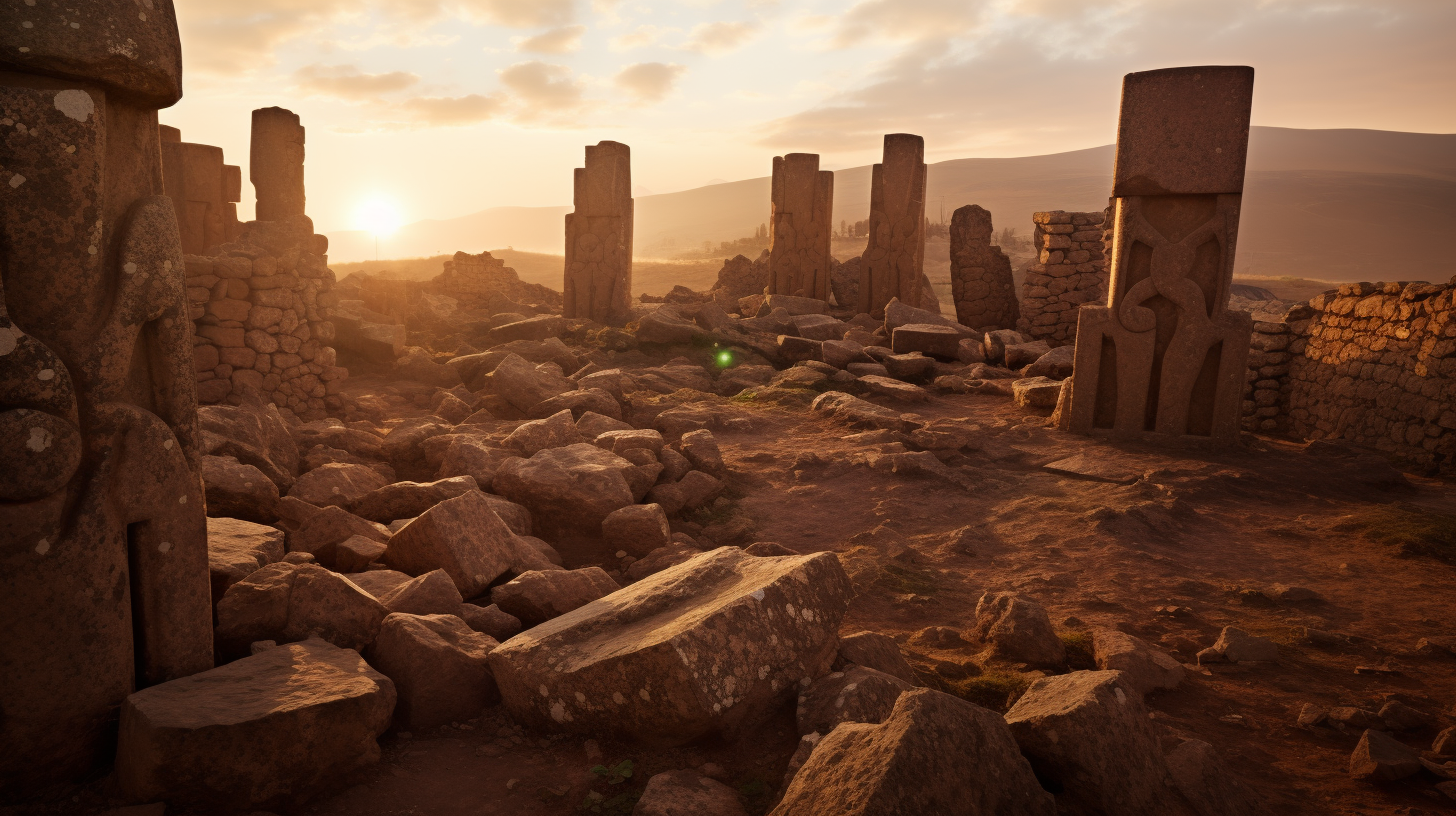
Göbekli Tepe, a desolate hill in southeastern Turkey. The massive stone pillars discovered here have completely shaken the history of human civilization as we knew it. Today, based on 13 of the latest research papers, we dig into the surprising truths of Göbekli Tepe that haven’t made it into textbooks yet.
1. The Shock of Time: Are the Pyramids “Modern” Buildings?
When we think of “ancient civilizations,” the Great Pyramid of Giza in Egypt or Stonehenge in England usually come to mind first. However, compared to Göbekli Tepe, these are merely “modern buildings.”
- The Miracle of 9,500 BC: The oldest layer (Layer III) of Göbekli Tepe was built in the 10th millennium BC.
- Overwhelming Time Gap: This is about 7,000 years earlier than Stonehenge in the UK (3000–2000 BC) and 7,000 years earlier than the Pyramids of Egypt (2500 BC). By the time the pyramids were being constructed, Göbekli Tepe had already been buried for thousands of years, its legends faded into obscurity.
- Reconstructing History: We used to believe civilization developed in the order of “Agriculture starts → Sedentary life → Religion/Temple construction.” However, this massive temple built by hunter-gatherers proposes a new hypothesis: “Religion came first, and as people gathered for it, cities and agriculture began”.
2. The Mystery of Tools: How? Without a Single Iron Hammer?
The largest of the T-shaped pillars at Göbekli Tepe stands 5.5 meters tall and weighs several tons. The surprising fact is that no metal tools were used to carve and move these megaliths.
- Stone Carved Only by Stone: Excavation results reveal not a trace of bronze or iron tools. People of that time used only stone tools, such as flint, to elaborately carve the hard limestone.
- Anthropomorphic Pillars: These are not simple stones. If you look closely, arms, hands, belts, and loincloths (likely fox skin) are carved into them, revealing that they symbolize giant humans (or deities).
3. A Historical Twist: A Temple or a Wild Party Venue?
Initially, it was thought to be a solemn “silent temple.” However, recent studies suggest it might have been a boisterous “place of feasting.”
- The First Beer?: Analysis of massive limestone vats (up to 160 liters capacity) found at the site detected oxalate, a trace of grain fermentation. This is strong evidence that large-scale beer brewing took place here.
- The Wages of Labor were “Meat” and “Alcohol”: The bones of gazelles and aurochs (wild cattle) filling the site show that massive barbecue parties were held here. Researchers believe leaders didn’t force people to work but induced voluntary participation by saying, “Come build the temple, we’ll give you meat and beer!”.
4. Civilization’s Butterfly Effect: Did Beer Create Agriculture?
This “feasting” connects to the most important turning point in human history: the beginning of agriculture.
- Home of Wheat: Genetic analysis shows that the ancestor of today’s cultivated Einkorn wheat originated from Karaca Dağ mountain, just 30km from Göbekli Tepe.
- Necessity is the Mother of Invention: As massive amounts of grain (ingredients for beer and bread) were needed for festivals, people likely went beyond gathering wild wheat to directly cultivating it. In other words, the effort started to eat bread and drink beer brought about the massive change known as agrarian society.
5. The Eerie Truth: The People Who Hung Skulls
Behind the beautiful carvings of Göbekli Tepe lies a somewhat chilling ritual. It is the “Skull Cult.”
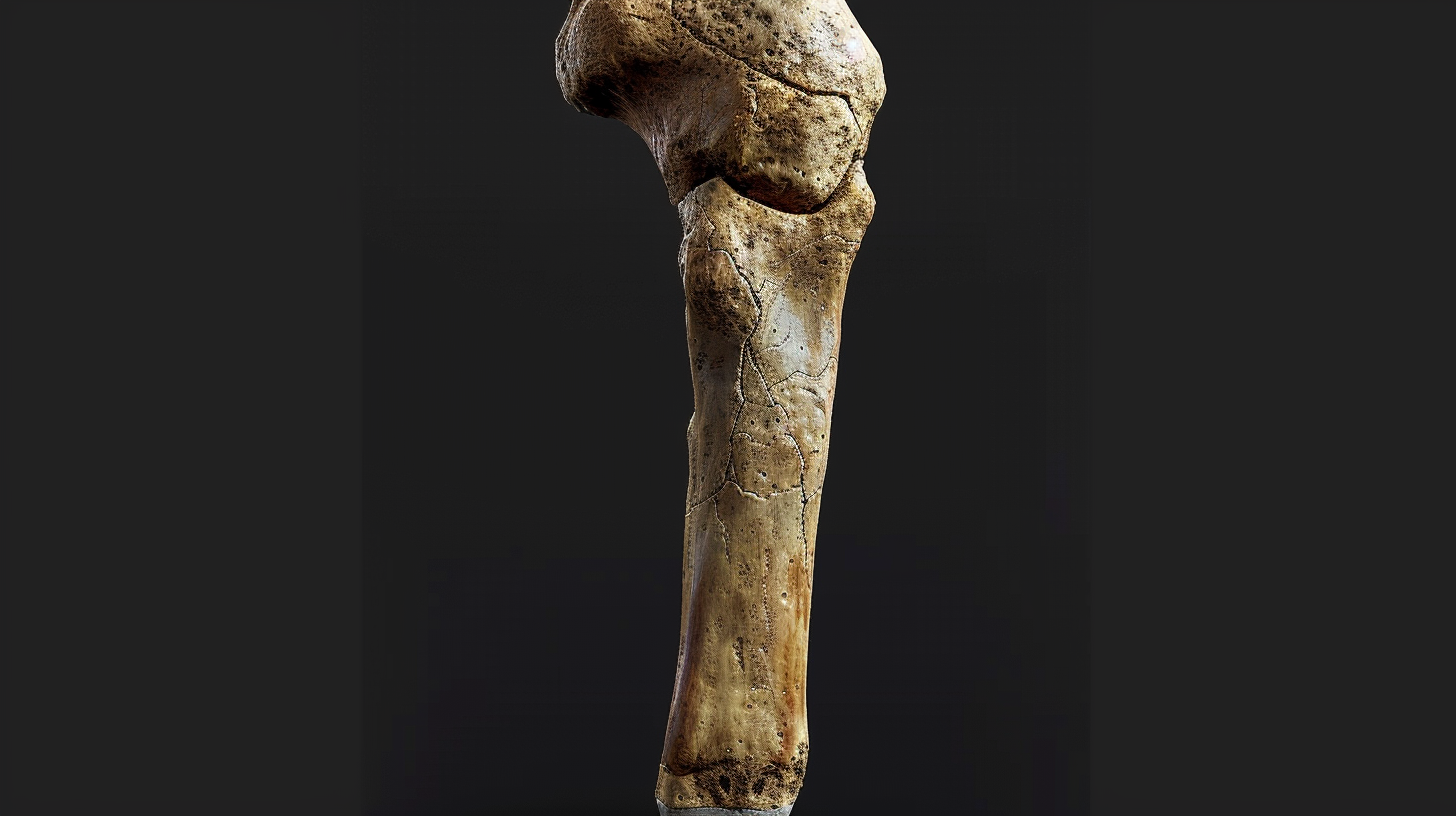
- Drilled Skulls: Deep carving marks and drilled holes were found on three recently discovered skull fragments.
- Displayed Death: Researchers analyze that these marks were used to tie strings to the skulls to hang them for display. was this a ritual to honor respected ancestors, or a means to subdue and show off enemies? Either way, it is clear this was a space of intense ritual where life and death intersected.
6. Conclusion: 90% Is Still Underground
What we see of Göbekli Tepe now is only a tiny fraction of the whole.
- Tip of the Iceberg: Ground-penetrating radar (GPR) surveys confirm that at least 15–20 more massive circular structures are sleeping underground, in addition to the four currently excavated.
- A Living Ruin: With recent discoveries of cisterns and traces of habitation, the possibility is being raised that this was not just a simple temple but a “complex settlement” where people lived and bustled.
Göbekli Tepe is still under excavation. The world is watching with bated breath to see what artifacts will emerge from the ground to overturn our common knowledge next.
References
- Schmidt, K. (2006). Sie bauten die ersten Tempel. Das rätselhafte Heiligtum der Steinzeitjäger.
- Schmidt, K. (2010). “Göbekli Tepe – the Stone Age Sanctuaries”. Documenta Praehistorica.
- Banning, E. B. (2011). “So Fair a House: Göbekli Tepe and the Identification of Temples…”. Current Anthropology.
- Dietrich, O., et al. (2012). “The role of cult and feasting in the emergence of Neolithic communities…”. Antiquity.
- Gresky, J., et al. (2017). “Modified human crania from Göbekli Tepe provide evidence for a new form of Neolithic skull cult”. Science -Advances.
- Clare, L. (2020). “Göbekli Tepe, Turkey. A brief summary of research…”. e-Forschungsberichte.
- Peters, J. & Schmidt, K. (2004). “Animals in the symbolic world of Pre-Pottery Neolithic Göbekli Tepe…”. Anthropozoologica.
- Schyle, D. (2016). “Zur Interpretation des Göbekli Tepe: Heiligtum oder Dorf?”. Alles was zählt.
- Dietrich, O. et al. “Göbekli Tepe – A Stone Age ritual center in southeastern Turkey”. Actual Archaeology.
- Schmidt, K. (2008). “Die steinzeitlichen Heiligtümer am Göbekli Tepe”. Colloquium Anatolicum.