
It is the lowest place on Earth and the city where humanity first built defensive walls. While famous for the biblical ‘Trumpets of Joshua,’ a 10,000-year-old mystery lies hidden behind that story.
Today, we dig into everything about Jericho (Tell es-Sultan), from archaeological excavations and the latest DNA analysis to magnificent Islamic art.
💡 Jericho Trivia in 30 Seconds
- The Belly Button of the Earth: Located at -250m below sea level, it is the lowest city in the world.
- The First Skyscraper: The 8.5m high stone tower built around 8,300 BC is one of humanity’s first public structures.
- The Biblical Stage: This is the site of the Sycamore tree Zacchaeus climbed and the Mount of Temptation where Jesus was tested.
- Source of Life: The reason a city emerged in the middle of the desert is thanks to ‘Ain es-Sultan’ (Elisha’s Spring)! It gushes out over 4,000 tons of water daily.
1. The Dawn of Civilization: Why Here?
The history of Jericho begins with ‘Water’. Right next to Tell es-Sultan lies a massive water source called ‘Ain es-Sultan’ (Elisha’s Spring). Thanks to this oasis pouring out over 4,000 tons of water a day, humanity ended its hunter-gatherer lifestyle and settled here to begin farming .
2. The Neolithic Era: Secrets of the Mysterious Tower and Skulls
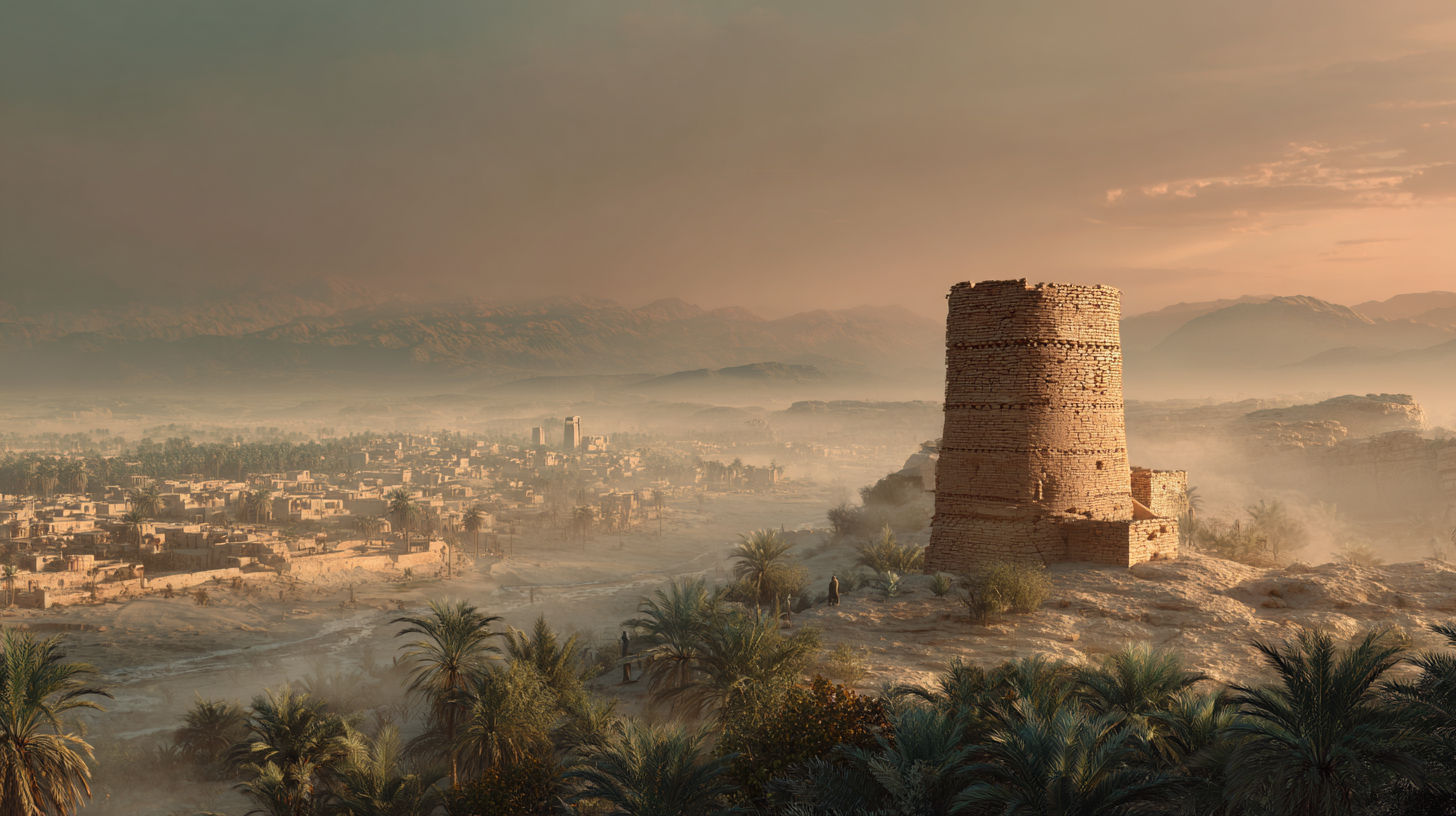
① What is the Jericho Tower? Around 8,300 BC, people built a massive circular stone tower. Initially thought to be for defense against enemies, recent research suggests this tower was a ‘calendar’ and a ‘place to communicate with the cosmos’. The axis of the internal staircase aligns exactly with the direction of the sunset on the Summer Solstice, pointing toward Mount Quruntul in the west . It seems the ancients tried to overcome their fear of nature through this tower.
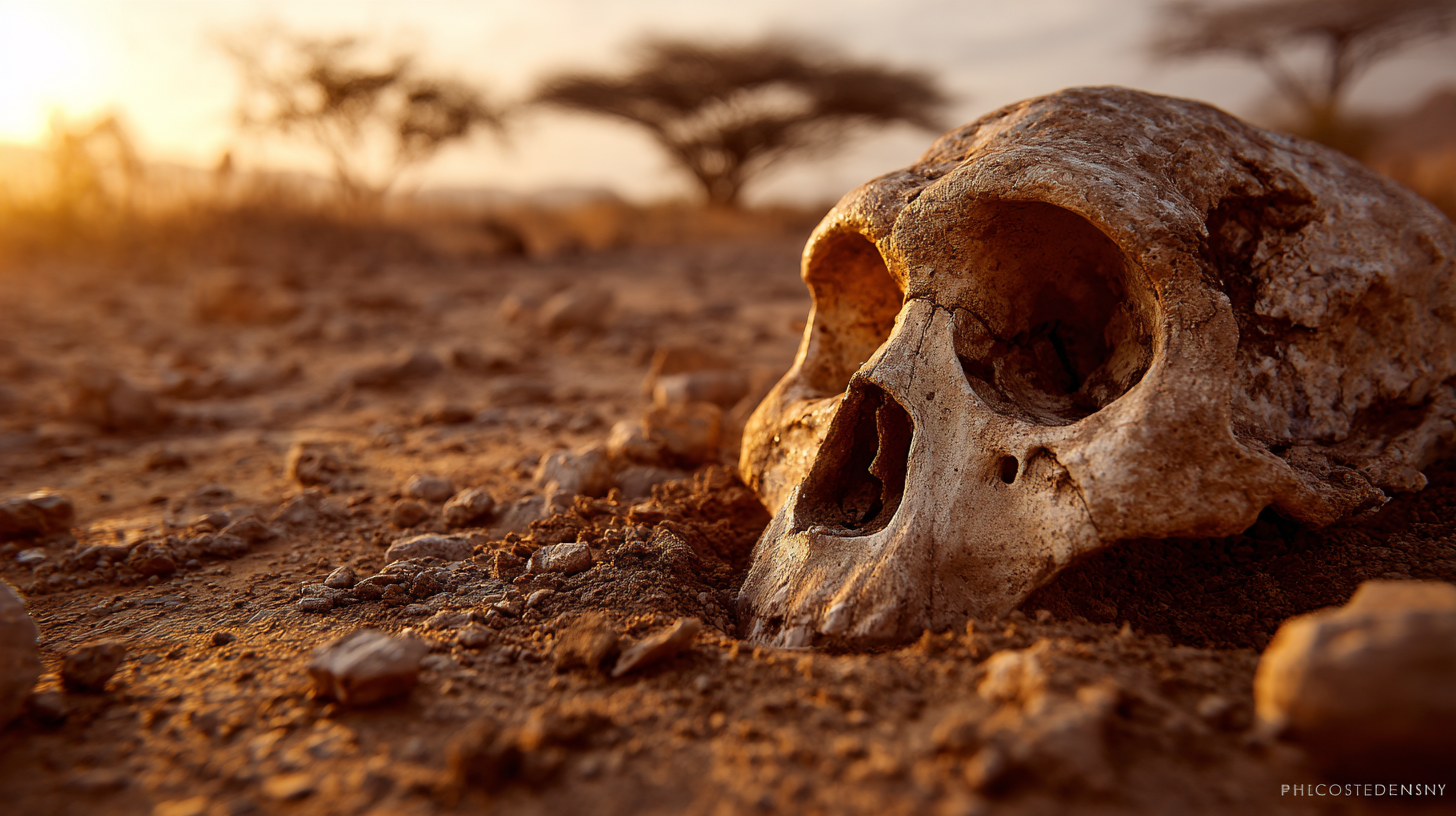
② Skulls with Faces ‘Plastered Skulls’ with restored facial features were discovered in Jericho. CT scans revealed that these were not simple art pieces but part of ancestor worship. In particular, traces of artificial cranial modification were found, suggesting that individuals with special status in life were elevated to ancestral spirits after death to strengthen community cohesion .
3. The Bronze Age and the ‘Canaanites’
Who were the ‘Canaanites’ appearing in the Bible? A 2020 DNA analysis revealed that they were a mixture of local Neolithic people and migrants from the Zagros Mountains (modern Iran) and the Caucasus region. Surprisingly, it turns out that both modern Arabic speakers and Jewish groups inherited more than 50% of their DNA from these ancient Canaanites . In a way, we are all connected.
4. The Center of Controversy: Are Joshua’s Walls Real?
The hottest topic is, of course, ‘Joshua’s War of Conquest’. Early excavators claimed the collapsed walls were evidence of the Bible, but radiocarbon dating results tell a different story. Jericho’s walls had already collapsed long before Joshua arrived (around 1550 BC) . The biblical story is likely a tradition passed down to establish the identity of the Israelites rather than a literal historical fact. However, this does not diminish the value of Jericho. Rather, it serves as evidence showing the deeper history beyond the text.
[Bonus Chapter] Jericho Did Not Disappear: The City’s Migration and Islamic Splendor
Many believe Jericho disappeared after the biblical era, but in reality, the city simply ‘moved sideways’.
- Old Testament/Prehistoric: Tell es-Sultan (The ruins we discussed).
- New Testament/Roman Era: Tulul Abu el-‘Alayiq (Herod the Great’s Winter Palace).
- Islamic/Modern: The current city center of Jericho.
✨ Hisham’s Palace: The Jewel of the Desert In the 8th century under the Umayyad Dynasty, Jericho was revived in splendor. Hisham’s Palace, built by Walid II, showcases the essence of early Islamic architecture. In particular, the ‘Tree of Life’ mosaic on the floor here is famous for being the most beautiful and perfectly preserved ancient mosaic in existence . This masterpiece, contrasting a lion devouring a gazelle with gazelles grazing peacefully, proves that Jericho was a city of art beyond just ancient ruins.
In Conclusion From the moment humanity first settled 10,000 years ago, through its time as a Roman resort, an Islamic palace, and a modern pilgrimage site, Jericho has never left the stage of history. Inside the mounds of soil at Tell es-Sultan, the memories of humanity are stacked layer by layer.
References
- Barkai, R., & Liran, R. (2008). Midsummer Sunset at Neolithic Jericho. Time and Mind.
- UNESCO World Heritage Nomination Text (2023). Ancient Jericho/Tell es-Sultan.
- Sparks, R. T., et al. (Eds.) (2020). Digging Up Jericho: Past, Present and Future. Archaeopress.
- Kenyon, K. M. (1954). Ancient Jericho. Scientific American.
- Fletcher, A., et al. (2016). From Person to Ancestor: The Plastered Skull from Jericho. Current World Archaeology.
- Agranat-Tamir, L., et al. (2020). The Genomic History of the Bronze Age Southern Levant. Cell.
- Taha, H. (2013). Tell es-Sultan: Ancient Jericho. This Week in Palestine.
- Bruins, H. J., & van der Plicht, J. (1995). Tell Es-Sultan (Jericho): Radiocarbon Results…. Radiocarbon.
- Wallace, M., et al. (2019). Re-analysis of archaeobotanical remains…. Vegetation History and Archaeobotany.
- Garstang, J. (1941). The Story of Jericho: Further Light on the Biblical Narrative. AJSL.