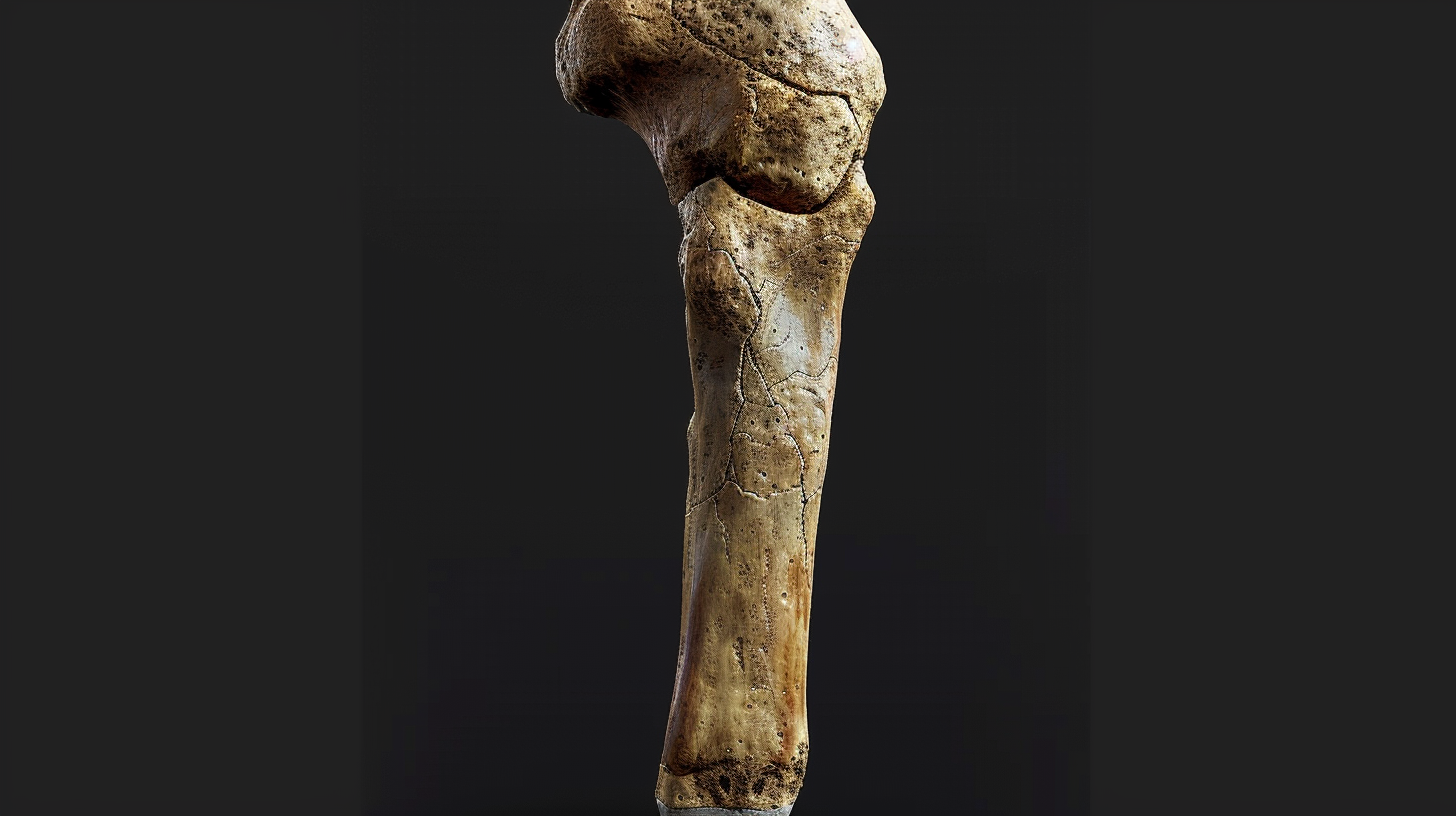


Around 5,000 years ago, a colossal shift began on the vast grasslands (Steppe) north of the Black and Caspian Seas, fundamentally altering the course of human history. This was the rise of the Yamnaya Culture.
They are identified as the genetic ancestors of modern Europeans and the origin of the ‘Indo-European languages’ spoken by half the world’s population today. We delve into the secrets of this ‘Steppe Empire,’ as revealed by the latest ancient DNA analysis and archaeology.
1. The Origin of the Name: The People Buried in Pits
The name ‘Yamnaya’ originates from the Russian word ‘Yama,’ meaning ‘pit’ or ‘hole.’ Archaeologists often refer to them as the ‘Pit Grave Culture.’
Their most defining feature was their burial custom: they would place the deceased in a grave pit and then pile earth on top to form a massive mound known as a ‘Kurgan.’ Rising above the flat steppe horizon, these Kurgans were more than just tombs; they served as powerful landmarks proclaiming ownership over the territory.
They also practiced a unique ritual of scattering Red Ochre over the bodies inside the graves. This red pigment is believed to have symbolized ‘blood,’ ‘life,’ and ‘resurrection’ after death.
2. Humanity’s First ‘Mobile Life’: The Wheel and the Horse
The Yamnaya people were not sedentary farmers. They were the first group in history to use ‘wheeled wagons’ as mobile homes, venturing deep into the steppe.
- The Wagon Revolution: Invented around 3,500 BCE, the wagon became a ‘moving house’ for them. By loading tents, water, and food onto wagons, the Yamnaya could expand their living territory beyond riverbanks into the desolate inland steppe.
- Horse Domestication: Analysis of dental calculus from Yamnaya-associated sites (Krivyanskiy 9) confirmed the presence of Equus milk proteins (horse milk). This is definitive evidence that they had already domesticated the horse, utilizing it not only for mobility but also as a food source.
3. A Dietary Revolution: Dairy and Height
The secret to their survival and prosperity on the harsh steppe was ‘dairy products.’
- Dairy Consumption: Analysis of dental calculus revealed that 94% of Yamnaya individuals consumed dairy proteins.
- The Lactose Intolerance Paradox: Surprisingly, genetic analysis shows that the Yamnaya people of that time possessed almost no ability to digest lactose (lactase persistence was less than 5-10%). Scholars believe they exercised the wisdom of fermenting milk into cheese or yogurt to remove lactose before consumption.
- Tall Stature: Perhaps due to this rich protein intake, the Yamnaya were genetically predisposed to be taller than the European farmers of the time.
4. The Great Migration of Male Warriors and Genetic Turnover
Around 3,000 BCE, the Yamnaya expanded explosively to the east and west.
- To Europe (West): They moved into Central Europe, forming the ‘Corded Ware Culture’. It was a migration on such a massive scale that about 75% of the genetic makeup of Europeans at the time was replaced by Yamnaya ancestry.
- To Asia (East): They advanced as far as the Altai Mountains, leaving behind the ‘Afanasievo’ culture.
An interesting point is the ‘sex ratio.’ Ancient DNA analysis indicates that in this migration, men outnumbered women by 5 to 14 times. This suggests it was not a peaceful migration of families, but rather an adventure led by young male warbands riding horses and driving wagons. They rapidly spread their genes by mating with local women
5. The Hidden Accomplice: The Plague
Their relentless expansion had an invisible weapon: infectious disease. Yersinia pestis (the plague bacteria) has been frequently found in Yamnaya skeletal remains.
The plague of that time was likely not the flea-borne bubonic type, but rather pneumonic plague transmitted through coughing, as the bacteria lacked the ymt gene necessary for flea transmission. The Neolithic farmers of Europe, lacking immunity, were helpless against this strange disease, and the Yamnaya may have filled the population void left in its wake.
6. Linguistic Legacy: Mother, Father, and Wheel
Traces of the Yamnaya remain even in the words we speak. Linguists believe the Yamnaya spoke ‘Proto-Indo-European (PIE)’.
The words they used have survived thousands of years to become the roots of modern English and European languages.
- Wheels: The word kwékwlos, related to the Yamnaya’s core technology of the wagon, became the etymological root of the modern English Wheel and the Greek Kuklos.
- Family: Words like Patēr (Father) and Māter (Mother) also have their roots in this era.
Conclusion: We Are All Descendants of the Yamnaya
The Yamnaya Culture is not a fossil in a museum. Their breath still lives on in the milk we drink daily, the cars we drive (the invention of the wheel), and the language we speak or learn today.
Through the time machine of ancient DNA, we have finally come face to face with this vast, forgotten ‘Steppe Empire.’
References
- Wilkin, S., et al. (2021). Dairying enabled Early Bronze Age Yamnaya steppe expansions. Nature.
- Allentoft, M. E., et al. (2015). Population genomics of Bronze Age Eurasia. Nature.
- Anthony, D. W. (2007). The Horse, the Wheel, and Language. Princeton University Press.
- Damgaard, P. B., et al. (2018). The first horse herders and the impact of early Bronze Age steppe expansions into Asia. Science.
- Goldberg, A., et al. (2017). Ancient X chromosomes reveal contrasting sexes of migration patterns in the Neolithic and Bronze Age. PNAS.
- Haak, W., et al. (2015). Massive migration from the steppe was a source for Indo-European languages in Europe. Nature.
- Lazaridis, I., et al. (2014). Ancient human genomes suggest three ancestral populations for present-day Europeans. Nature.
- Mathieson, I., et al. (2015). Genome-wide patterns of selection in 230 ancient Eurasians. Nature.
- Rasmussen, S., et al. (2015). Early Divergent Strains of Yersinia pestis in Eurasia 5,000 Years Ago. Cell.